






Neck Pain And Stress. Which Causes Which?
It’s fairly widely understood to address what might be a treatable physical problem.
Many people who experience discomfort in their neck find that experience stressful unto itself, especially when the discomfort is very painful or long-lasting. Therefore with many people, the discomfort that they feel in their neck is directly causing the stress that they feel.

New Way of Pelvic Floor Treatment with High Energy Inductive Therapy
Pelvic floor dysfunction can be a debilitating condition that affects many individuals, causing pain and disrupting daily activities. Conventional treatments often fall short of addressing the root cause of the issue, leaving patients frustrated and without significant improvement. However, there’s a new and promising approach to the treatment of these issues called high energy inductive therapy (HEIT), which belongs to the realm of regenerative technologies.
Regenerative Technologies in Pelvic Floor Physical Therapy
Regenerative technologies used by this pelvic pain specialist in NYC capitalize on the body’s inherent healing capabilities by stimulating tissue repair at the cellular level. They offer outpatient therapies that promote accelerated recovery with minimal discomfort for patients. Among these cutting-edge treatments, HEIT stands out as a powerful tool for tackling these problems.

Long-Term Management Strategies for Achieving Lasting Relief from Pelvic Floor Pain
Pelvic floor pain can be a debilitating and persistent condition that affects individuals of all ages and genders. While short-term remedies may offer temporary relief, a comprehensive and proactive approach is essential to achieving lasting results. In this article, we will explore long-term management strategies for addressing this issue.
Understanding Pelvic Floor Pain
The pelvic floor is a complex network of muscles and connective tissues that plays a crucial role in supporting the organs within the pelvis and maintaining bowel, bladder, and sexual function. Pain in this region can manifest in various ways, but it’s important to find its root cause and address it effectively.

Non-Surgical Approaches for Managing Chronic Pelvic Pain
Chronic pelvic pain is a complex and debilitating condition that affects individuals of all genders. While traditional treatments have often revolved around surgical interventions, there is a growing focus on non-surgical approaches that offer promising results. In this article, we will explore some of these non-invasive methods to address the issue, with a particular emphasis on regenerative technologies in physical therapy.
Understanding Chronic Pelvic Pain
Chronic pelvic pain refers to persistent discomfort in the pelvic region lasting for six months or longer. It can stem from various factors, including nerve damage, inflammation, or muscle dysfunction. The discomfort can be constant or intermittent, affecting daily activities, relationships, and overall quality of life.
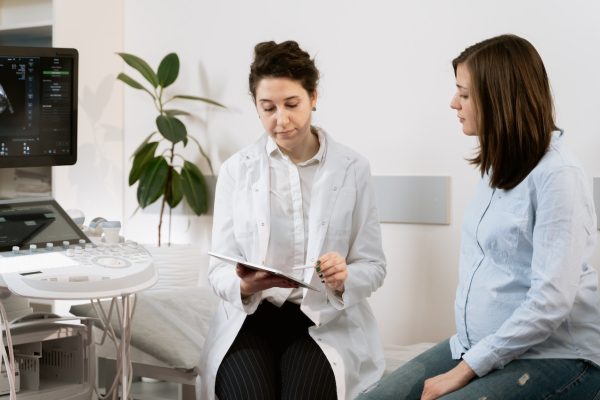
Pregnancy and Childbirth-Related Pelvic Floor Pain: Prevention and Treatment Options
Pregnancy and childbirth are transformative experiences, but they may also bring about significant changes to a woman’s body, including potential pelvic floor pain. Let’s explore prevention strategies and treatment options to address pregnancy and childbirth-related pelvic floor pain.
Understanding Pregnancy-Related Pelvic Floor Pain
During pregnancy, hormonal changes and the increased weight of the uterus can weaken the muscles in this body part. As a result, some women may experience pain, discomfort, or even urinary incontinence. Additionally, childbirth itself may cause trauma to the muscles, leading to further issues like pelvic organ prolapse.
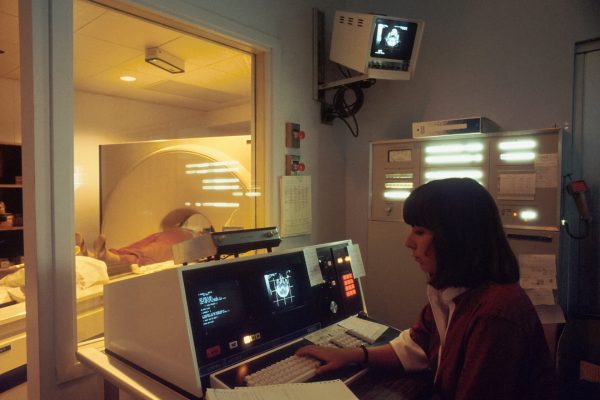
How an Effective Diagnosis Can Improve Treatment Results for Pelvic Floor Conditions
Pelvic floor conditions can significantly impact an individual’s quality of life, causing pain, discomfort, and disruptions in everyday activities. To achieve successful treatment outcomes, it is crucial to begin with an accurate and effective diagnosis. In this article, we will explore the importance of a comprehensive diagnosis and how it can lead to improved results in treatment.
The Complexity of Pelvic Floor Conditions
The pelvic floor is a complex structure composed of muscles, ligaments, and connective tissues that support the pelvic organs and control bowel, bladder, and sexual function. Due to this intricate nature, the conditions related to this body part can present a wide range of symptoms, making it challenging to pinpoint the exact cause without a thorough diagnosis.